


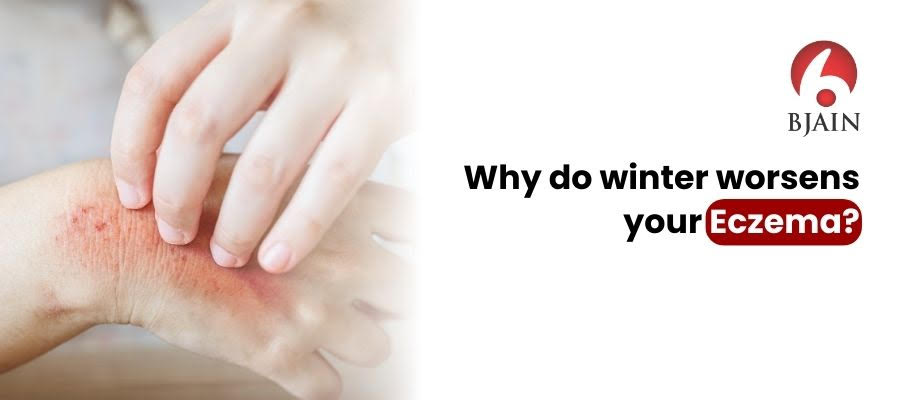
Millions of people internationally suffer with eczema, a prevalent skin ailment that can cause discomfort and irritation for individuals who have it. By addressing some of the most common queries regarding eczema, we hope to shed light on the illness and promote understanding. We aim to provide insightful information and useful guidance for treating this chronic skin condition, including everything from origins and triggers to choices for therapy and lifestyle recommendations. Let’s start with the fundamentals.
Your skin becomes dry, itchy, and uneven when you have eczema. Your skin’s protective barrier, which helps your skin maintain hydration and shield your body from external factors, is weakened by this condition.
One kind of dermatitis is eczema. A collection of disorders known as dermatitis result in inflammation of the skin.
What are the different type of Eczema?
Eczema comes in a variety of forms. Your skin’s defenses may be impacted by particular factors for each type, such as:
- Atopic dermatitis
- Contact dermatitis
- Dyshidrotic eczema
- Neurodermatitis
- Nummular eczema
- Seborrheic dermatitis
Multiple types of eczema can occur simultaneously.
What are the risk factors for Eczema?
Anyone, regardless of age, can have eczema. Typically, symptoms start in childhood and persist throughout maturity. You may be more susceptible to eczema if you were previously diagnosed with or have a familial history of:
- Dermatitis
- Allergies
- Hay allergy
- Asthma
What are the symptoms of Eczema?
Itching, dry skin, and a rash are the initial symptoms of eczema. These symptoms show that you were exposed to a stimulus in your surroundings that initiated or exacerbated your symptoms. You can lower your chance of experiencing an eczema episode in the future by recognizing preventing environmental triggers.
What causes Eczema?
Eczema is caused by a number of reasons, including:
Your immune system: If you have eczema, little allergens or irritants in your surroundings cause your immunity to overreact. When you come into contact with a trigger, the body’s defence system interprets these minor irritants as potentially dangerous foreign invaders like bacteria or viruses. The triggers consequently set off your body’s defence mechanism. Inflammation is your immune system’s line of defence. Eczema symptoms are brought on by inflammation.
Your genes: If dermatitis or eczema runs in your family, you are more likely to get eczema. Additionally, you are more vulnerable if you have a history of allergies, hay fever, or asthma. Pollen, pet hair, and foods that cause an allergic reaction are examples of common allergies.
Your surroundings: A variety of things in your surroundings might cause skin irritation. Contact with to smoke, air pollution, harsh soaps, materials like yarn, and some skin-care items are a few examples. Your skin may become dry and irritated due to low humidity, or dry air. Sweating brought on by heat combined with elevated humidity can exacerbate your itching.
Emotional triggers: Your skin’s health may be impacted by your mental state, which may lead to an exacerbation of eczema symptoms. Your eczema symptoms can flare up more frequently if you experience excessive amounts of anxiety, nervousness, or sadness.
Why do winters exacerbate Eczema?
Although not everyone’s eczema worsens as soon as the temperature drops, it’s safe to presume that many individuals associate the arrival of fall or winter with a sharp decline in skin health.
The following advice will help you make the adjustment to the winter months:
- Dress in light clothing that you can gradually add or remove as you become accustomed to your surroundings, and keep every room in your house at a consistent temperature (18°C is optimal).
- Although central heating keeps us warm and comfortable, it also depletes the air of moisture. To counteract this dryness and lessen its effect on your skin, place a basin of water close to radiators. It’s also crucial to avoid sitting too near to a fireplace and to make sure the entire space is warm, adding more clothes or blankets as needed.
- While it may be tempting to keep doors and windows closed in the autumn and winter in order to keep heat in, if rooms are not adequately ventilated, home dust mites—whose faeces are frequently the root of eczema—have the ideal environment to flourish. Poor ventilation can also cause mold to grow in bathrooms and kitchens, which can again cause an eczema flare-up. Open your windows every day to let some fresh air into your house!
- The dehydrating effects of more severe weather can be countered by changing to a different moisturiser, such as a humectant cream, which pulls water into the epidermal tissue, the outermost layer of skin, from the dermis, the next layer of skin, or an ointment, which is very strong at retaining water in the skin and consequently helpful for very dry areas of skin.
What are the Homeopathic medicines for eczema?
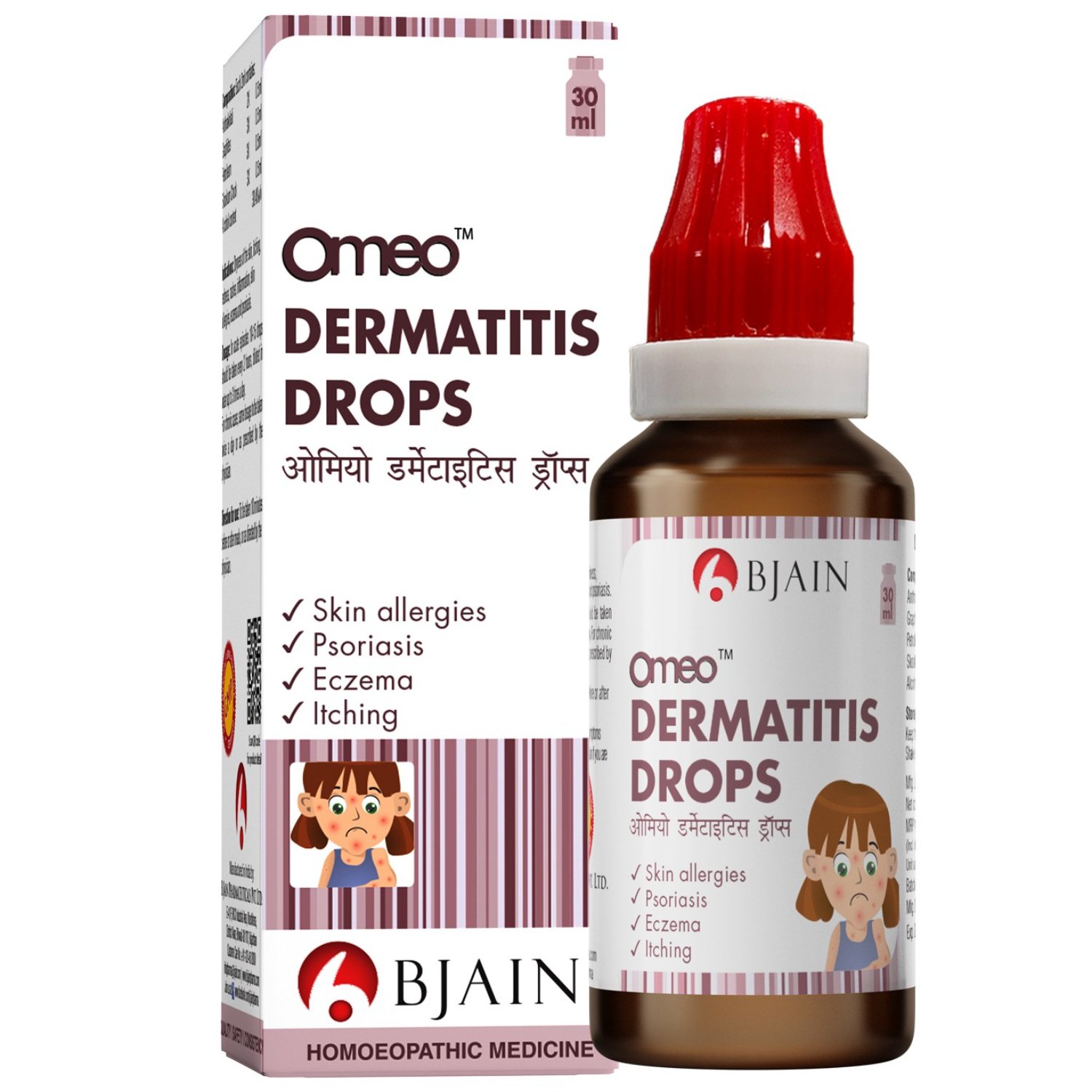
This is a specialty product from the house of BJain Pharmaceuticals Pvt, Ltd., made especially for to help with the cases of dermatitis. It is formulated using the well-known homeopathic medicines used to manage eczema.
Composition: Graphites 3X (0.5ml), Anthrakokali 2X (0.5ml), Petroleum 3X (0.5ml), Skookum Chuck 3X (0.5ml), Alcohol content (30.4% v/v)
Indications: It helps relieve the itching and associated dryness of skin. It is also indicated in the cases of dermatitis and lesion on skin that looks dry, crusty, and itch intensely.
Other Homeopathic medicines for Eczema:
One of the best homoeopathic remedies for wet eczema, which is characterised by a thick, oozing, watery, sticky discharge, is graphites. Patients with this kind of eczema typically have obesity and constipation. He or she may have a sensitivity to cold. The affected area stays dry and rough, while their normal skin becomes chilly and rigid.

People with eczema, which sometimes results in a leathery coating on the head, can benefit from this homoeopathic remedy. Particularly at night, the patient may have severe itching.
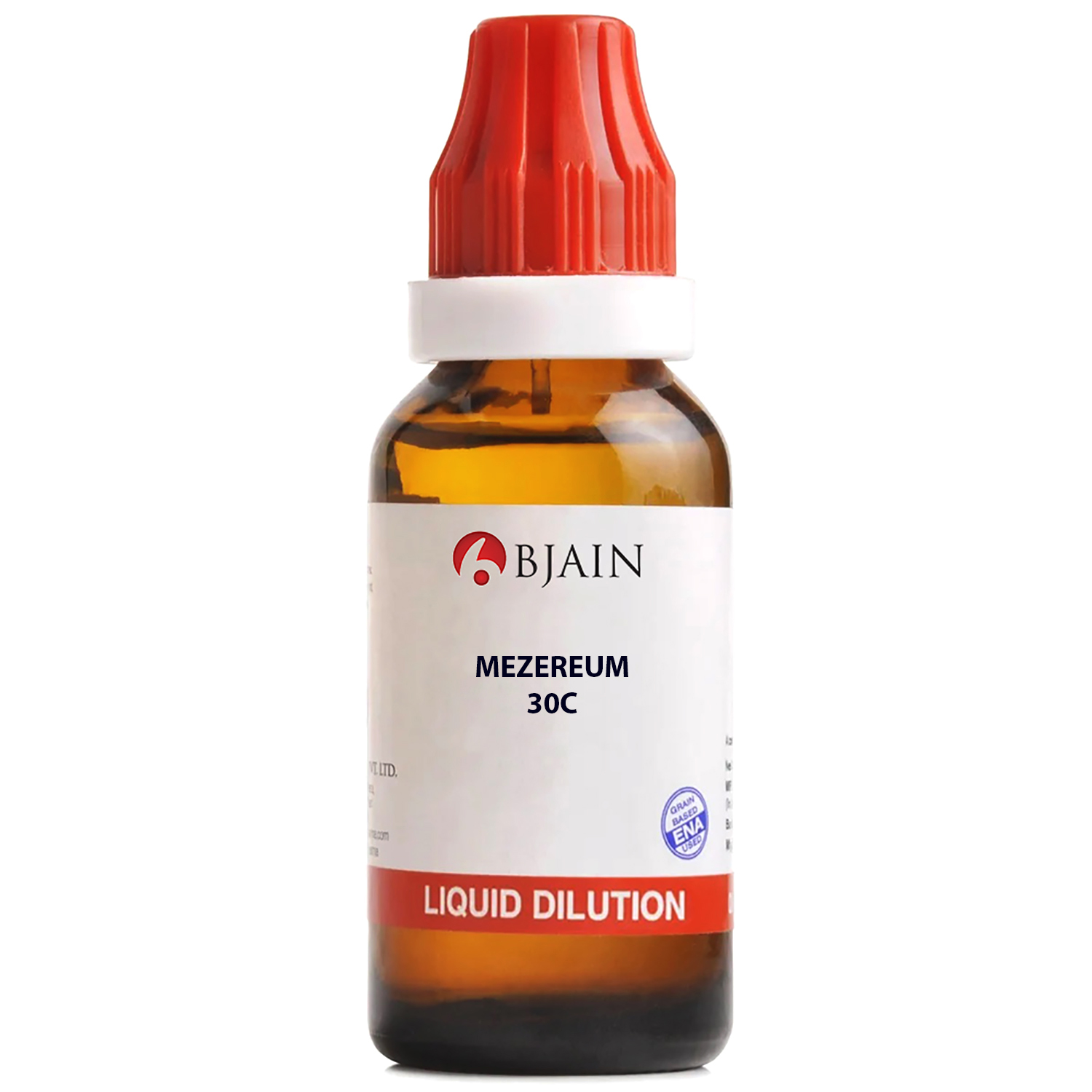
Pus-producing eczema can be effectively treated with homoeopathic treatment. Usually, the patient has an excessive sensitivity to cold. The symptoms that point to the necessity for this medication include severe itching, sneezing, and sensitivity to cold.
One of the best homoeopathic remedies for eczema, which gets worse in wet or cold weather, is this one. The indications, which unmistakably point to the necessity for this therapy, include thick yellowish crust formation and severe itching.
The skin feels dry and scratchy, and symptoms typically get worse in the summer. If you want to talk about a particular issue, Sulphur is a popular homoeopathic remedy for burning and extremely itchy dermatitis.
Frequently Asked Questions (FAQs)
Q.1 – Are dermatitis and eczema the same thing?
Ans. Eczema is a kind of dermatitis, which is a broad term for inflammation of the skin. However, “eczema” is frequently used to refer particularly to atopic dermatitis, which is the most prevalent type and is characterized by dry, itchy, red areas that are frequently associated with allergies and asthma. Dermatitis is a general word for any inflammation of the skin (such as contact or seborrhoeic dermatitis), whereas eczema is a chronic disorder with flare-ups that damage the skin barrier and cause itching and sensitivity. It is not communicable, though it can be genetic with hypersensitivity.
Q.2 – How do I get rid of my dermatitis?
Ans. Using gentle, fragrance-free products, avoiding triggers (such as wool and harsh soaps), taking lukewarm oatmeal baths, controlling stress, and refraining from rubbing to prevent spreading and encourage healing are all important ways to get rid of dermatitis.
Q.3 – What is the biggest trigger for eczema?
Ans. Eczema is frequently triggered by dry conditions (low moisture), materials used to make clothes, cosmetics or skin care items.
Q.4 – What is the 3 rule for eczema?
Ans. According to the 3-minute rule, you should moisturise the child’s skin under three minutes of removing them from the water. After bathing your kid in warm water, gently wipe them dry. Take cautious not to scrub their skin. Then, apply a baby cream to their somewhat moist skin right away.

Dr Kiran Swami
Dr. Kiran Swami, BHMS, MD (Hom.), a Research Officer at BJain Pharmaceuticals Pvt. Ltd., holds degrees from Nehru Homeopathic Medical College, Delhi, and Dr. Sarvepalli Radhakrishnan Rajasthan Ayurved University, Jodhpur. With expertise in homeopathy and a passion for research, she drives innovation in holistic healthcare solutions.
